
Indoor venues are often ideal for live customization because they provide consistent lighting, weather protection and reliable access to power. The key is treating the airbrush station as a planned production area rather than placing an artist at an unprotected table.
3JS Airbrushing has worked inside corporate offices, conference centers, university buildings, stadium spaces, hotels and private-event venues. The same basic planning principles apply whether the team is painting trucker hats for a trade show or shirts for a campus celebration.
Indoor live airbrush requirements at a glance
| Planning item | What the venue should confirm | Why it matters |
|---|---|---|
| Power | Outlet location, circuit capacity and extension-cord rules | Supports compressors and station equipment safely |
| Working area | Artist tables, chairs, guest queue and completed-item space | Prevents crowding and keeps production organized |
| Protection | Approved floor covering and covered work surfaces | Protects carpet, hard flooring, furniture and nearby finishes |
| Ventilation | Room airflow and any restrictions on paints or aerosol activities | Ensures the setup follows venue requirements |
| Noise | Distance from stages, meetings and quiet areas | Keeps compressor sound from interrupting the program |
| Access | Loading entrance, elevators, security, parking and setup time | Allows equipment and merchandise to arrive before guests |
1. Confirm electrical power before the event
Airbrush artists use compressors to provide steady airflow. Compact quiet compressors are appropriate for many indoor events, but the venue still needs to know where the equipment will connect and whether the circuit is shared with lighting, catering or audiovisual equipment.
A small station can often use a standard household outlet. Multi-artist teams may need the load divided between approved circuits. Do not assume that a nearby wall outlet is available—hotel and conference production teams may reserve specific circuits for other vendors.
Send the artist count and equipment plan to the venue contact early. For more details, use our complete live airbrush setup checklist.
2. Protect floors, tables and nearby surfaces
Professional indoor setup should include floor protection beneath and around each painting station. Tables and other working surfaces should also be covered. The team should paint in a controlled direction with enough clearance from walls, drapes, furniture, food service and guest walkways.
3JS commonly uses protective floor covering and organized table stations to create a clearly defined workspace. The exact material may depend on whether the venue has carpet, wood, tile, concrete or another finished surface. Ask the venue which coverings and tapes are approved.
Photograph the assigned area during the walkthrough and identify the closest approved outlet, loading route, queue direction and finished-item area. That single photo can prevent several day-of questions.
3. Ask about ventilation and venue restrictions
Every venue has its own policies. Tell the facility that the activation involves live airbrush painting and provide information about the products and paint system when requested. The venue may want the activity located in a larger room, near normal building airflow or away from sensitive areas.
Do not place the station next to food preparation, open buffets, healthcare treatment areas or spaces with special air-quality rules unless the venue specifically approves it. If a facility has strict limitations, the event team can discuss alternate placement, product choices or advance preparation.
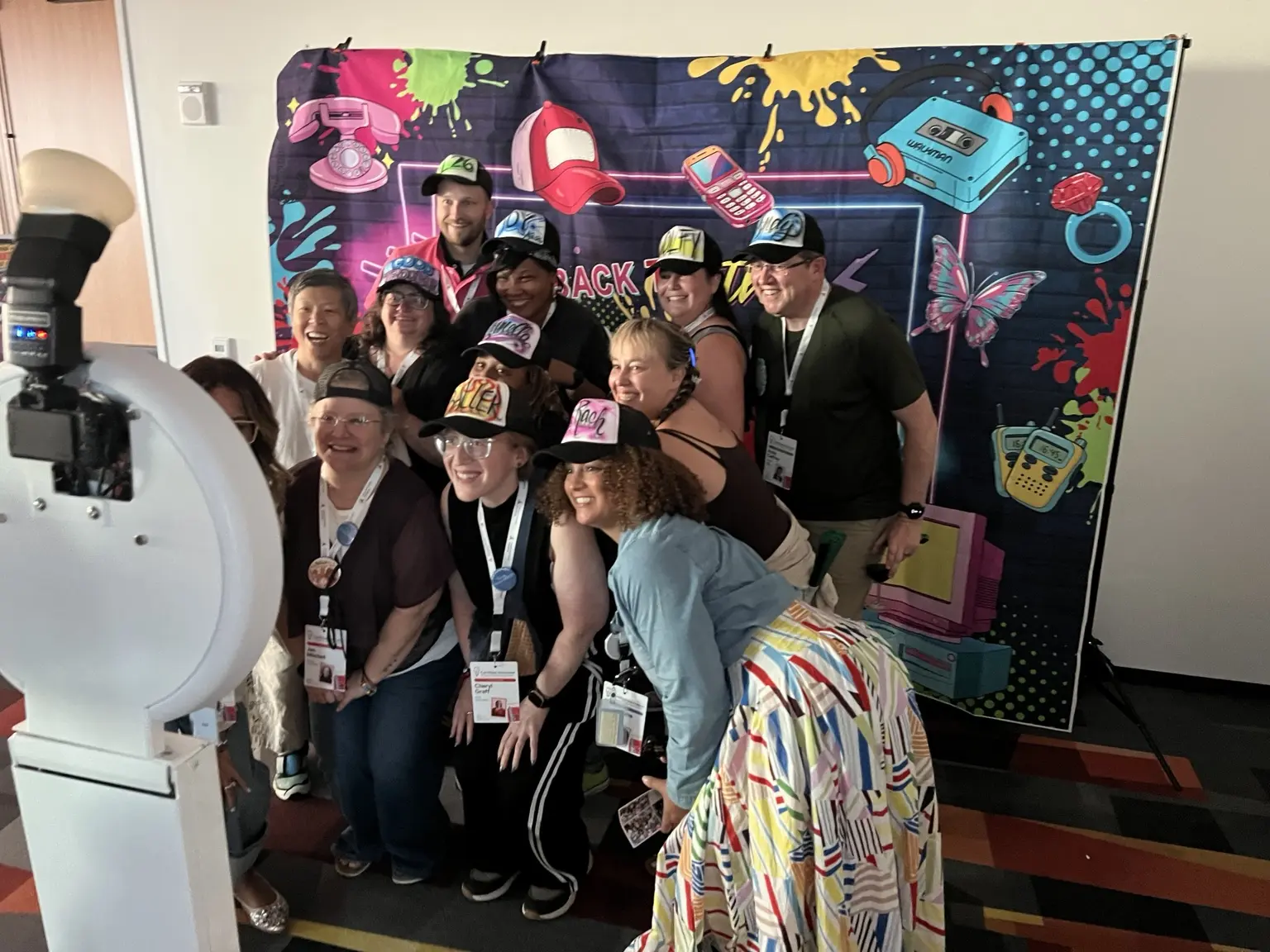
4. Plan for compressor noise
Quiet event compressors reduce disruption, but they are not completely silent. Position the station away from keynote stages, acoustic performances, recording areas, formal ceremonies and meeting-room doors.
At a trade show or campus celebration, normal crowd noise often makes the compressors less noticeable. At a wedding ceremony, awards presentation or executive meeting, schedule customization during the reception or networking portion instead of the quiet program.
5. Give each artist enough working space
Each artist needs a stable work surface, seating, equipment space and room to receive and return merchandise. The event also needs a separate place for guests to select designs and wait without leaning over the artist’s table.
For planning, 3JS commonly requests one to two tables and one to two chairs per artist, depending on the product and layout. Large teams can sometimes share support tables, but the final arrangement should be approved before load-in.
If the guest count is high, use a clear entrance and exit for the queue. A display of approximately 16 event-ready design choices helps guests decide before reaching the artist. Read our guide to choosing the right artist count.
6. Consider the merchandise and drying area
Trucker hats, shirts, canvas bags, bucket hats, koozies, beanies, jerseys and other products require different handling space. Hats may need organized boxes or racks. Shirts require size management. Flexible bags and apparel need a clean area before and after painting.
Keep unpainted inventory, finished items and guest pickup separate. This prevents the wrong item from being handed out and keeps freshly painted surfaces away from coats, drinks and decorations. Explore the custom products available for live events.
7. Build load-in and security into the schedule
Indoor events often involve service elevators, loading docks, security desks, parking restrictions and long walks from the vehicle. A 60-minute setup window may be enough for a simple local event, while a multi-artist conference or stadium activation can need additional time.
Provide the loading entrance, onsite contact, parking instructions, elevator access and credential requirements before event day. If the venue requires a certificate of insurance or vendor registration, send the deadline when booking.
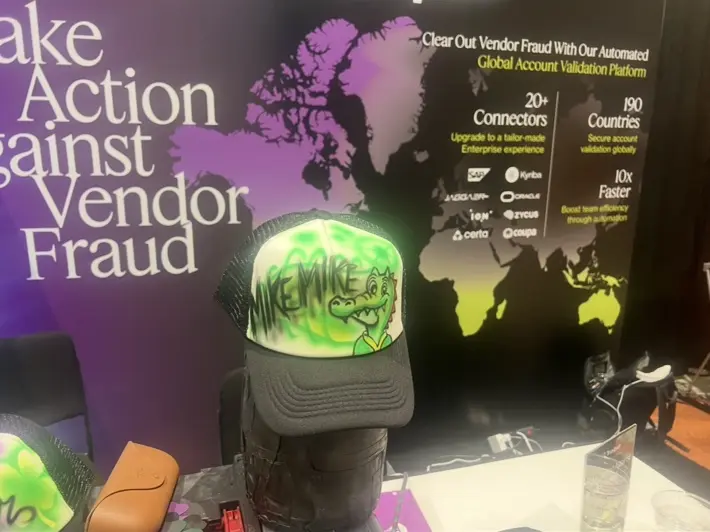
Indoor events 3JS has supported
Real indoor projects have included corporate hat activations at the Google office in Atlanta, multi-day Trustpair conferences, university welcome programs, corporate events in Boston and Baltimore, backstage entertainment events in Nashville and customized jerseys inside Mercedes-Benz Stadium.
These projects used different products, artist counts and layouts, but each depended on clear venue communication and a protected workspace. View more examples in our past event portfolio.
Questions to send your venue
- Is live airbrush painting permitted in the assigned room?
- Which floor coverings and tapes are approved?
- Where are the approved electrical outlets, and are separate circuits available?
- Are there venue rules for paint products, ventilation or compressor equipment?
- How many tables and chairs can the venue provide?
- Where should guests line up and collect finished items?
- What are the loading, parking, elevator and security procedures?
- Is a certificate of insurance or vendor form required?
Frequently asked questions
Can live airbrushing be done indoors?
Yes. Indoor airbrushing works when the venue approves the activity and the setup includes appropriate power, space, protection, ventilation, noise management and guest flow.
Will airbrushing damage the venue?
A professionally protected and controlled station is designed to prevent that. Confirm approved floor coverings, table protection, station placement and clearance from walls and furnishings with the venue.
Is an airbrush compressor too loud for an indoor event?
Compact quiet compressors can work well at receptions, conferences and campus events. Place the station away from stages, ceremonies and quiet meeting areas.
What should I provide for each artist?
The exact needs vary, but planning commonly includes one to two tables, one to two chairs, approved electrical access and a protected working area for each artist.