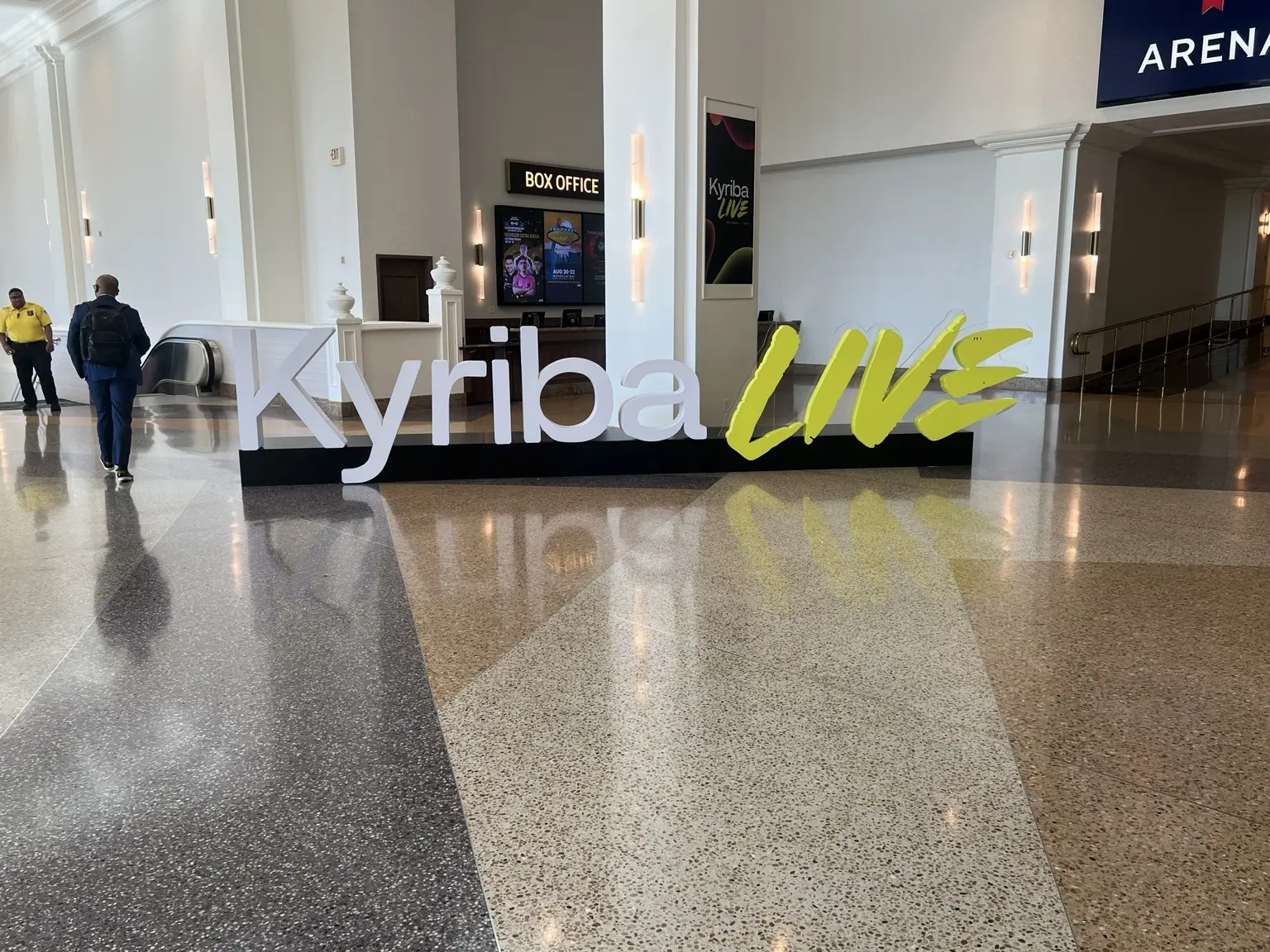
A multi-city live customization program may visit conference venues, retail stores, college campuses, stadium areas or private hospitality events. The visible experience can stay consistent, but the operational plan cannot simply be copied and pasted.
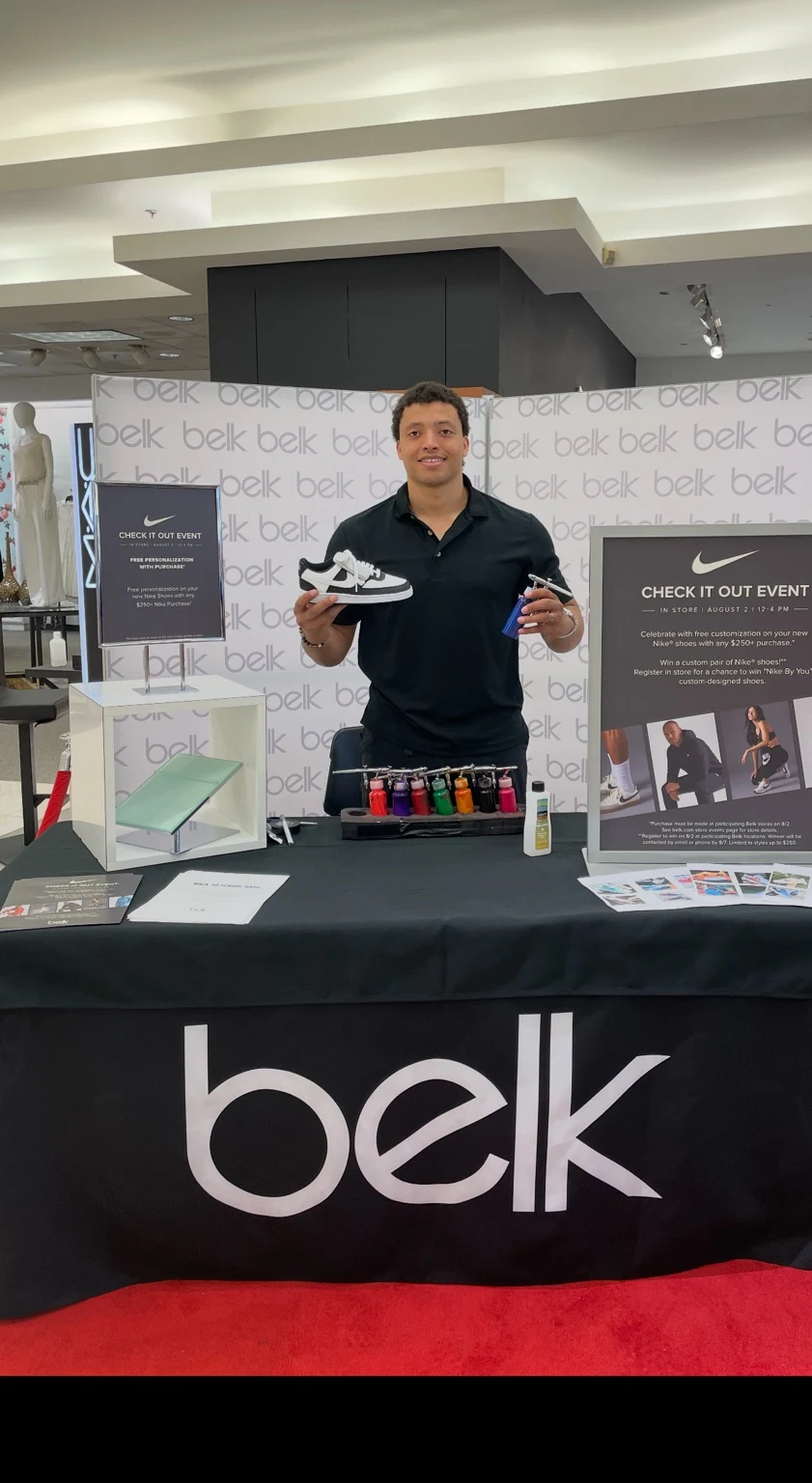
3JS Airbrushing has supported clients in multiple markets, including Trustpair activations in Las Vegas, Orlando and Brooklyn and Nike shoe customization for Belk across seven locations. That experience shows why a clear central brief and disciplined local planning matter.
Start with a program brief, not a collection of emails
Create one source of truth for the whole tour. It should identify the campaign goal, cities and dates, merchandise, approved designs, artist appearance, item target, operating hours, ordering system, photo requirements and decision-makers.
Then give each location a stop sheet. Include its venue contact, address, load-in time, parking, credentials, receiving instructions, workstation, power, security, expected attendance, service hours and final order cutoff. Mark open items and name the person responsible for resolving each one.
| Keep consistent | Confirm for every stop |
|---|---|
| Campaign message and approved artwork | Venue rules, access and placement |
| Merchandise specifications | Quantity, sizes and delivery status |
| Guest ordering and name-spelling process | Attendance pattern and queue space |
| Workstation appearance and artist dress | Tables, chairs, power and protection |
| Photo brief and closeout report | Local contact and escalation path |
Choose the right team model
A traveling core team creates continuity and carries lessons from one stop to the next. Regional artists can reduce flights and long drives. A hybrid model keeps a program lead or lead artist on the tour while adding qualified artists where larger stops need more capacity.
Do not assume that every city needs the same headcount. Calculate from the item goal and productive hours at each stop. Approximately 25 standard items per artist per productive hour is a useful starting estimate for a streamlined menu, not a promised output.
| Stop | Illustrative goal | Productive hours | Starting team |
|---|---|---|---|
| Campus welcome event | 150 items | 3 hours | 2 artists |
| Conference reception | 200 items | 4 hours | 2 artists |
| Retail pop-up | 100 items | 2 hours | 2 artists |
These are planning examples, not reported totals from the photographed events. Product type, design detail, breaks, guest decisions and the order cutoff change capacity. Use the artist staffing guide for a fuller calculation.
Build travel time around setup—not just show time
A three-hour activation is not a three-hour workday. Add loading, airport or drive time, hotel check-in, venue access, setup, teardown and inventory closeout. When stops are on consecutive days, protect a travel buffer in case of traffic, delayed flights, weather or a late venue release.
Avoid routing essential artists, equipment and merchandise on the last possible flight. Decide what can be purchased locally, what must travel with the team and what backup supplies will be staged. The nationwide travel guide explains how event location affects the plan.
Do not schedule the next stop from the moment painting ends. Schedule from the time the team can realistically finish teardown, complete inventory, load out and depart.
Route merchandise before the artists travel
There are three common options: send separate cartons directly to each venue, send inventory to a local hotel or partner, or move it with the traveling team. The best choice depends on route, product volume, storage, receiving hours and how replaceable the blanks are.
Label every carton with the campaign, city, event date, stop number, contents and on-site contact. Maintain a tracking sheet that shows shipped, received, opened, used, damaged, leftover and forwarded quantities. Do not mix inventory for several cities into an unlabeled shipment.
When the event owner supplies merchandise, confirm a sample before the tour and identify who can approve substitutions. See how to ship merchandise ahead and compare hats, shirts, bags and other event products.
Approve the creative system once, then control changes
A shared design menu helps guests receive a recognizable campaign experience in every market. Approve logos, colors, names, graphic options, prohibited requests and product placement before production starts. If a city needs a local icon or team color, document that variation instead of changing the whole menu informally.
Give every artist the same current artwork file and a dated reference sheet. A program lead should approve any event-day change and communicate it to all remaining stops. This prevents one location from introducing an option that later guests expect but the rest of the team was not prepared to deliver.
Confirm venue operations city by city
Even when the brand plan is identical, venues have different security, labor, dock, power and insurance requirements. Ask each contact about tables, chairs, power, floor protection, ventilation, freight receiving, loading access, parking, credentials, union rules, Wi-Fi and overnight storage.
Complete vendor onboarding early. A master agreement may cover the program, while each stop still needs a certificate of insurance, purchase order, venue form or location addendum. Review the vendor-document checklist and power planning guide.
Use one guest flow and one closeout process
- Eligibility: verify a purchase, registration, invitation or ticket.
- Order: record the item, design, colors, name spelling and order number.
- Production: send work to the next available artist.
- Pickup: release the finished item by number rather than asking guests to crowd the worktables.
- Closeout: record completed pieces, leftovers, issues, photos and recommendations for the next city.
A short report after each stop makes the tour smarter. If a color ran low, a line formed after a keynote or a design took longer than expected, adjust inventory and staffing before the next market rather than waiting until the campaign ends.
Real 3JS multi-market experience
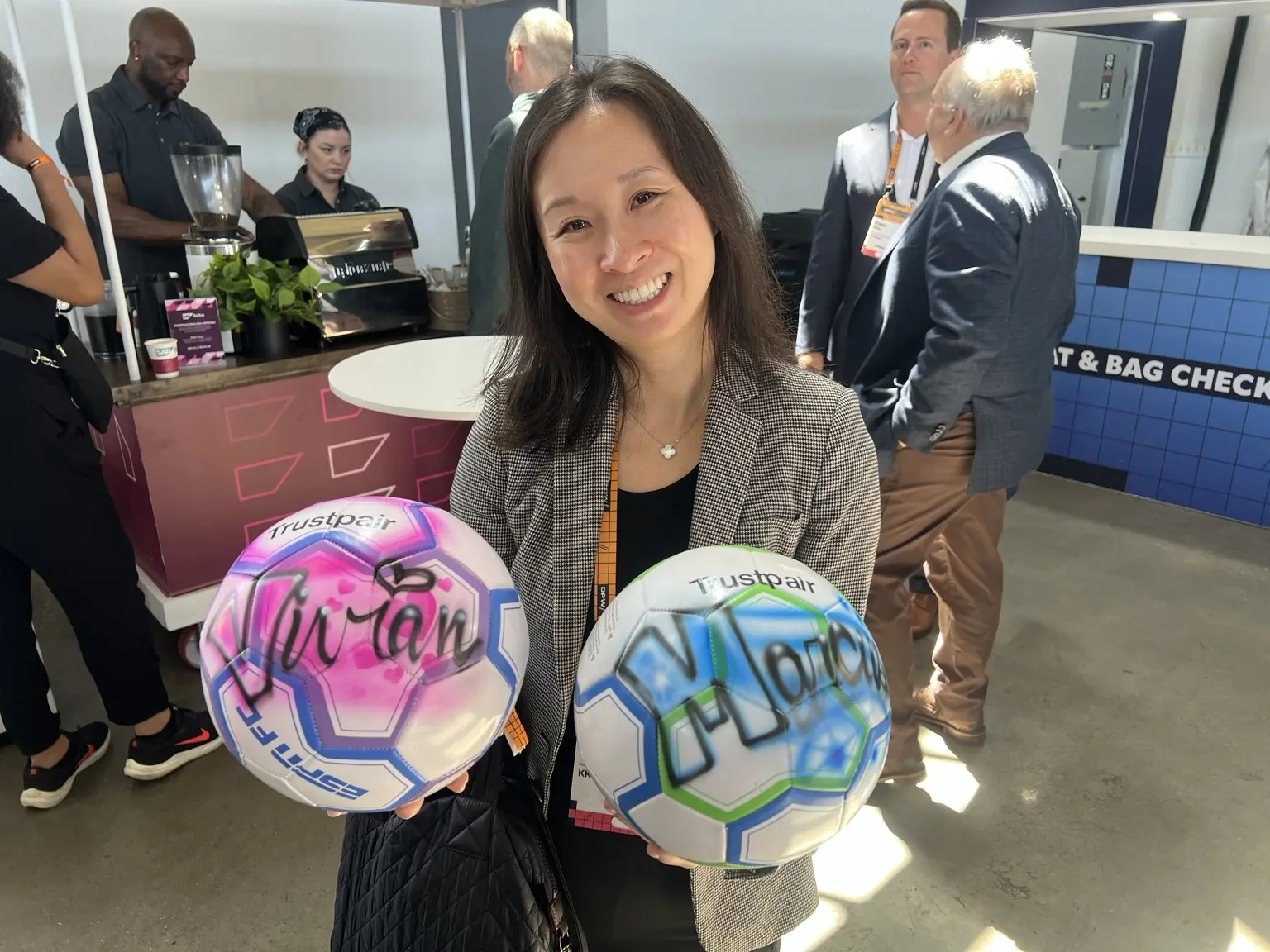
For Trustpair, 3JS delivered live customization experiences in Las Vegas, Orlando and Brooklyn. The products and event contexts varied, while the activations still supported the same client relationship and branded guest experience.
For Belk, 3JS customized Nike shoes as part of work across seven locations, including the Columbia and Charleston events. These projects demonstrate why product handling, local setup and inventory controls must be planned alongside creative execution.
Browse more 3JS event galleries and case studies or review corporate live airbrush services.
Multi-city activation checklist
- Master program brief and named decision-maker
- City-by-city stop sheets and contacts
- Artist plan, travel buffer and backup coverage
- Approved product sample and design menu
- Carton labels, tracking and receiving confirmation
- Venue access, parking, power and protection
- COIs, purchase orders and local vendor forms
- Consistent order, queue and pickup process
- Item goal and productive hours for every stop
- Photo brief, inventory count and closeout report
- Process for changes before the next city
To plan a route, share the cities, dates, venues, service windows, products and item targets through the event quote form. The earlier those details are available, the more accurately 3JS can plan artists, travel and merchandise.
Frequently asked questions
Can one airbrush company cover events in several cities?
Yes. A multi-city program can use a traveling core team, regional artists or a combination. The best structure depends on dates, distance, guest volume, merchandise and how identical the experience must be at every stop.
Should merchandise be shipped to each venue or travel with the artists?
Either can work. Shipping directly to each stop reduces transport between cities, while traveling inventory can simplify control on a short driving route. Each carton should be labeled by city, date, product and quantity, with tracking and a receiving contact.
How early should a multi-city activation be booked?
Book as early as possible once dates and markets are known. Multiple artist calendars, travel, venue approvals, merchandise production and shipping create more dependencies than a single event.
How do you keep the experience consistent in every city?
Use one approved design menu, workstation standard, order form, inventory sheet, staffing formula, photo brief and closeout report. A named program lead should manage changes and communicate the same final instructions to every stop.
How many artists are needed at each tour stop?
Estimate each location separately from its item goal, productive hours and design complexity. Approximately 25 standard items per artist per productive hour can be a useful starting point, but it is not a guarantee.