Live airbrushing is already interactive: guests choose merchandise, colors, names and designs while watching an artist create something for them. Letting a guest operate the airbrush can add a memorable moment, but it requires a different level of planning.
The default at corporate, trade-show, college and private events is for trained artists to operate the equipment. If the planner wants a hands-on demonstration, the artist team should approve the idea beforehand and define exactly who participates, what they paint, where it happens and how long it lasts.
What does guest participation usually mean?
| Participation level | What the guest does | Planning impact |
|---|---|---|
| Choose | Selects the item, design, colors and name | Standard for most activations |
| Watch | Observes the artist create the item live | Strong visual engagement with little disruption |
| Pose and share | Shows the finished item at a photo moment | Supports event content and social sharing |
| Guided demonstration | Uses the airbrush briefly under direct artist supervision | Needs advance approval, dedicated time and controls |
| Open self-service | Guests use equipment without continuous guidance | Not part of a standard professional activation |
For most events, the first three options provide all the interaction a planner needs. The guest has creative input and sees the work happen without interrupting professional production.
Real example: Teddy Swims at a White Claw activation
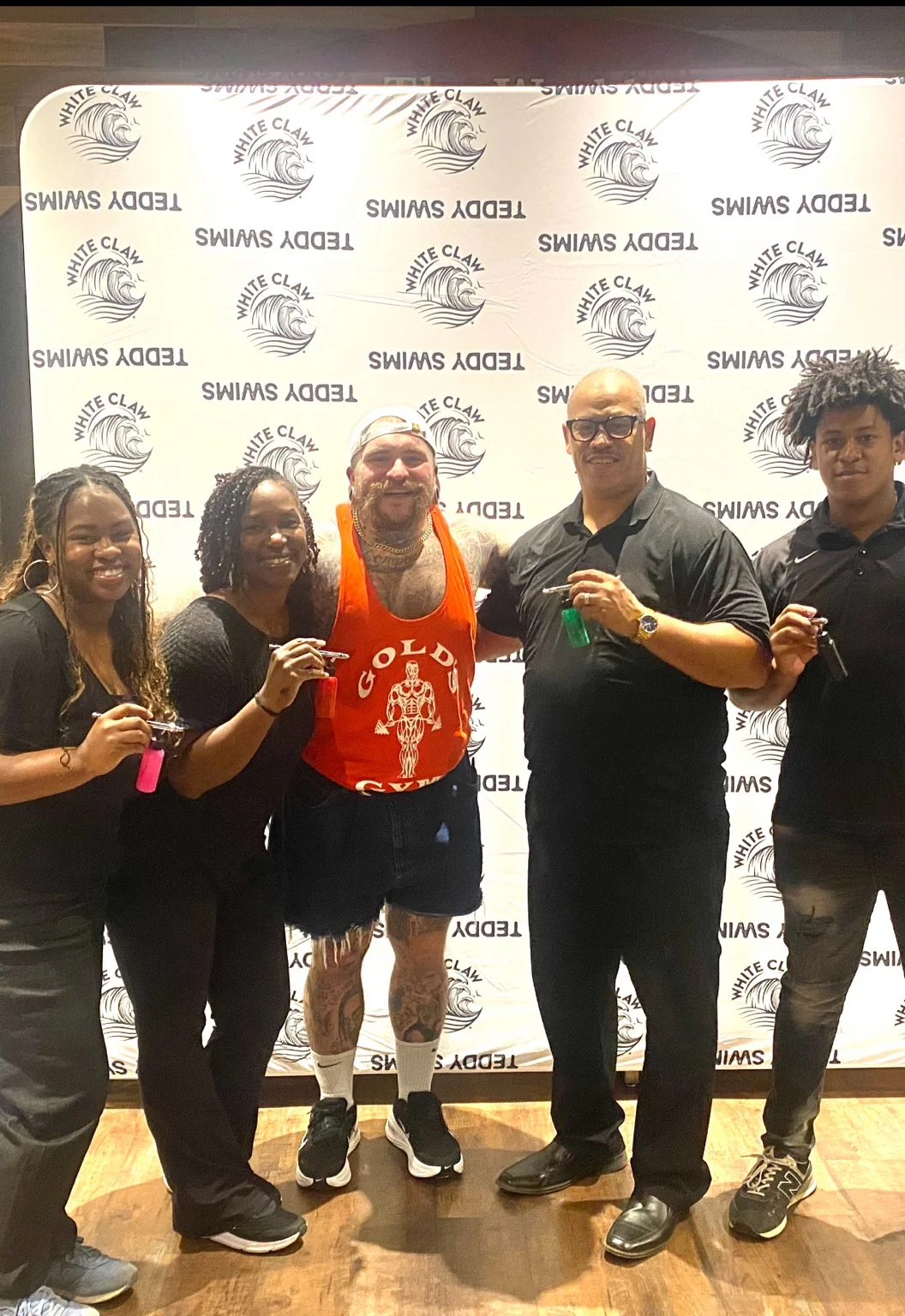
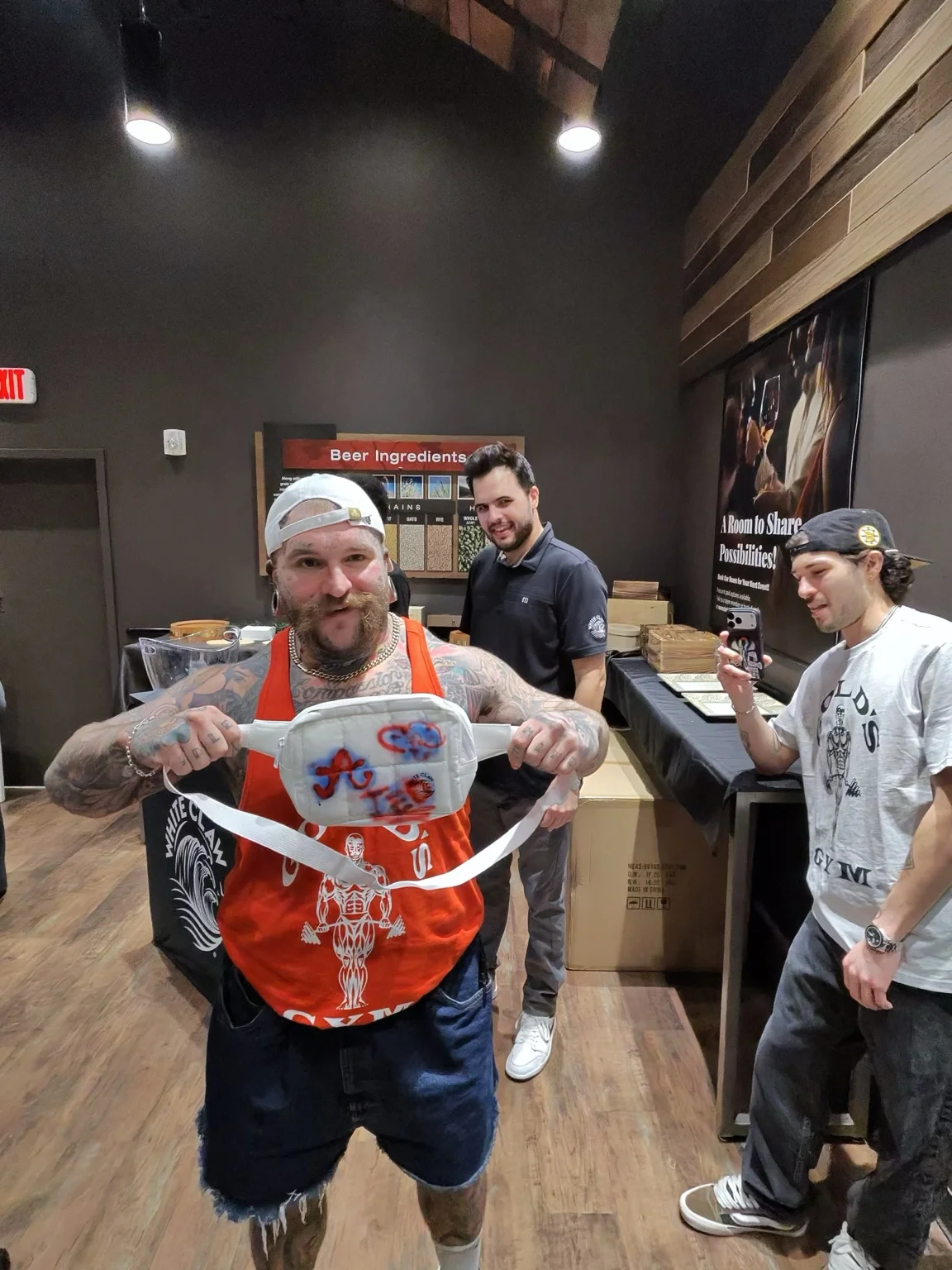
At a White Claw activation in McLean, Virginia, 3JS Airbrushing personalized koozies for guests and guest of honor Teddy Swims. Teddy asked to learn how airbrushing works, and the team provided a brief hands-on lesson and live demonstration.
The moment worked because trained artists were present, the interaction was supervised and the demonstration happened inside an organized activation. It added personality to the event without turning the airbrush station into an unsupervised activity.
See the complete White Claw and Teddy Swims activation gallery.
What should be approved before a guest demonstration?
- Participant: decide whether the opportunity is for a featured guest, contest winner, executive, influencer or limited group.
- Timing: schedule the demonstration outside the busiest production period.
- Workspace: create a controlled area that does not place the participant in the guest queue.
- Project: use a simple practice surface or approved item rather than a complex customer order.
- Brand rules: confirm the colors, imagery and content allowed during the demonstration.
- Venue requirements: review operating, supervision, age, consent and safety rules.
- Media permission: determine whether photos and video may be captured and used afterward.
The planner should tell the artist team about the idea before event day. A surprise request may not fit the venue, equipment layout, schedule or insurance requirements.
How is a supervised demonstration controlled?
The artist remains beside the participant, explains the trigger and movement, controls the working distance and stops the activity when needed. Only approved equipment and materials should be used. Hoses, electrical cords, artwork and merchandise stay inside the protected work zone.
The participant should not aim the airbrush toward people, food, drinks or unprotected property. Any ventilation, protective equipment, product instructions or safety-data requirements for the materials in use still apply. The artist and venue have the final say on whether the demonstration can proceed.
Use a short, pre-planned lesson on a dedicated practice item while another artist—or the main team—continues regular guest production.
Will guest participation slow the line?
It can. A demonstration takes artist attention and workspace away from regular orders. If the event has a strict merchandise target, schedule the demonstration during a quiet period or assign one artist to the experience while the other artists keep painting.
For streamlined designs, 3JS uses approximately 25 standard items per artist per hour as a planning estimate. The estimate assumes the artist is producing guest items. Demonstration time, interviews, photographs and stage moments should be treated as separate activity time.
Use the artist staffing guide to protect production capacity and the guide to keeping live airbrush lines moving.
What is the best way to involve every guest?
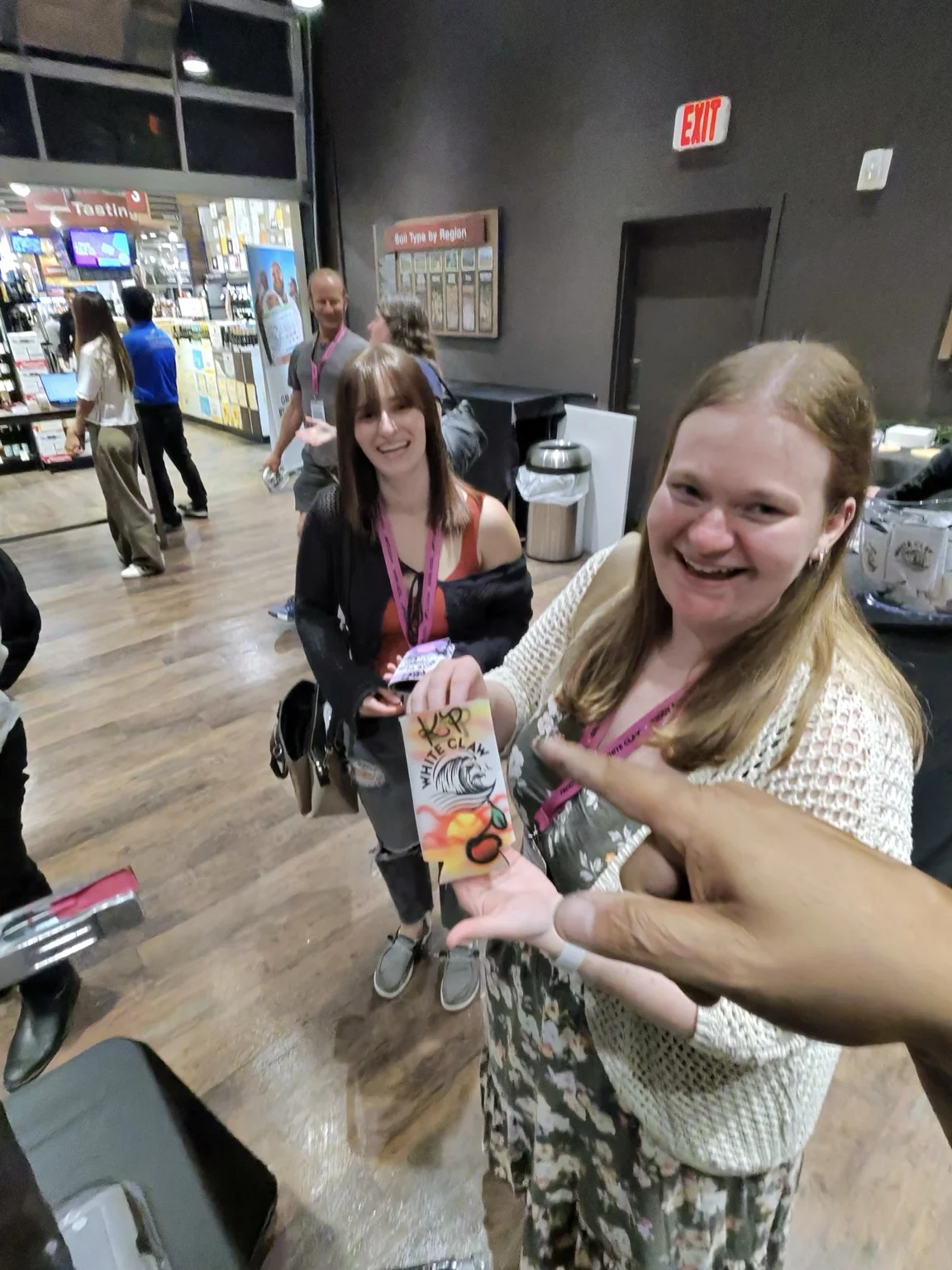
Give everyone creative choices without placing everyone behind the equipment. Guests can select an approved product, design, color palette and name, then watch the artist interpret those choices. A visible menu makes the experience easy to understand and keeps the line moving.
Add a photo area, branded backdrop or finished-item display so guests can celebrate the result. The personalized item becomes both the reward and the shareable event content.
Read how guests choose airbrush designs and how the guest ordering process works.
Which events are a good fit for a hands-on moment?
- Brand launches with a featured guest or spokesperson
- Corporate celebrations with an executive demonstration
- Trade-show stage moments or scheduled booth presentations
- Creator and influencer events designed for visual content
- Small workshops with time reserved for instruction
A busy college giveaway or large festival may be better served by the watch-and-choose model unless a separate demonstration station is staffed. A wedding or private party could support a short guided moment if the organizer and artist agree before the event.
How can the demonstration support the brand?
Connect the moment to the campaign rather than treating it as a random activity. Use approved merchandise, colors and a simple design prompt. Position logos so the participant's artwork does not cover required brand elements. Prepare a clean background and a photographer or social-content plan when appropriate.
The experience should still feel authentic. A short lesson, a real attempt and a finished piece usually create more engaging content than a heavily staged handoff. Learn more about live customization activations and using company logos on custom merchandise.
Planner checklist for supervised participation
- Discuss the idea with the airbrush team before booking is finalized.
- Identify the participant and confirm venue approval.
- Choose a dedicated time, project and workspace.
- Review material instructions and any required protective measures.
- Keep the participant under direct artist supervision.
- Protect the normal guest queue and production goal.
- Approve brand content and logo placement.
- Confirm photography, video and usage permissions.
- Prepare a standard watch-and-choose backup plan.
Browse past corporate and university events, explore corporate airbrush activation services and describe the participation idea in the event quote form.
Frequently asked questions
Can guests try airbrushing at a live event?
Sometimes. A brief, supervised demonstration may be arranged for selected participants when the artist, organizer, venue and brand approve it.
Is guest airbrushing included in every activation?
No. Standard service focuses on professional artists creating merchandise for guests. Hands-on participation should be discussed and approved before the event.
Does a demonstration slow production?
It can. Schedule it outside peak ordering periods or assign a separate artist when merchandise capacity is important.
Can children try airbrushing?
Only when the organizer, venue and artist approve it and all applicable supervision, age, consent and product requirements are met. Watching and choosing is usually easier for youth events.
What is the easiest way to make the activation interactive?
Let guests choose merchandise, colors, names and designs, watch the artist work and pose with the finished item.