
A successful live airbrush booth is more than entertainment. It can start conversations, extend dwell time and send attendees back onto the show floor wearing or carrying something connected to the brand.
The activation works best when marketing, exhibit operations and the artist team plan it as one system. 3JS has supported corporate conferences and trade-show programs for organizations including Trustpair, Bitwise, Ernst & Young and PWC. Across those events, the same fundamentals matter: a clear objective, the right merchandise, approved artwork, enough production capacity and an orderly path through the booth.
1. Decide what the activation should accomplish
Start with the business purpose. Is the giveaway meant to attract new booth traffic, reward qualified conversations, support an evening reception, thank customers or create social content? The answer shapes everything from where the station sits to when a guest receives an item.
If the goal is awareness, the painting process should be visible from the aisle. If the goal is qualified leads, connect a short badge scan or conversation to the ordering step. If the activation supports an existing meeting schedule, use pickup times that do not interrupt demonstrations or appointments.
Write: “We want this activation to help us ______ by serving approximately ______ attendees during ______ show hours.” Share that sentence with the exhibit team and the artists.
2. Estimate redemptions and peak demand
Do not size the station from total show attendance alone. A 10,000-person conference does not require 10,000 hats if the booth has 300 approved redemptions. Estimate the number of items the brand wants to distribute and when attendees are most likely to arrive.
Trade-show traffic is rarely even. Opening hours, session breaks, lunch periods and receptions can produce short surges. Plan for those peaks instead of dividing the total item count evenly across every hour.
For streamlined event-ready designs, 3JS generally estimates approximately 25 completed items per artist per hour. Use this early formula:
Round up, then consider product complexity and crowd pattern. A 200-item plan over four live hours produces a base estimate of two artists. If most attendees will arrive during two session breaks, additional parallel capacity may provide a better experience. See the complete artist staffing guide.
3. Choose merchandise that works on a show floor
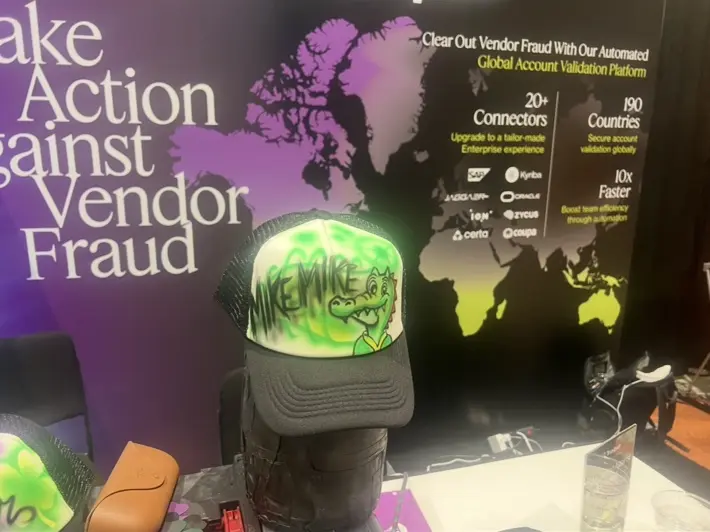
The best trade-show product has three qualities: attendees want it, the brand can use it, and artists can personalize it efficiently. Trucker hats are popular because they are adjustable, visible and easy to display. Shirts and hoodies offer more design space but add sizing and inventory decisions. Bags are practical and size-free. Sports balls or theme-specific products can connect the activation to a campaign.
Trustpair has used personalized hats at conferences in Las Vegas and Orlando and customized soccer balls for a World Cup-themed event in Brooklyn. Ernst & Young used hats and baseballs in Boston. Those examples show why the product should reinforce the event story instead of feeling like unrelated merchandise.
Compare options in the live airbrush product guide and browse customizable event merchandise.
4. Approve the brand system before the show
Live personalization can be creative without becoming unpredictable. Confirm approved logo files, brand colors, prohibited content and the amount of space reserved for custom artwork. A focused menu can offer several names, color combinations and design directions while staying within the brand’s rules.
Company logos can often be applied to merchandise before the show. Artists then add the attendee’s name and selected artwork live, preserving brand consistency without using valuable booth time for repetitive logo production. Review the guide to adding a company logo to custom airbrush hats.
5. Map the booth flow before placing furniture
A visually impressive station can still fail if the line blocks the aisle or the pickup table hides a product demonstration. Mark four functions on the booth plan:
- Invitation or check-in: where attendees learn how to participate.
- Selection: where they choose a product, confirm spelling and select an approved design.
- Production: the artist workstations, equipment and protected surfaces.
- Pickup: a clear handoff point away from the next order.
Keep blank merchandise and replacement supplies close to artists but out of attendee traffic. Leave room behind each workstation for safe movement. The queue and all furniture must remain within the approved booth footprint and comply with show rules.
6. Keep lead capture separate from painting
Artists should spend their time creating. Badge scanning, qualification questions and data entry should be handled by booth staff before or after the order is placed. A simple process might be: scan, confirm the giveaway, write the attendee’s name and design choice, then direct the guest to pickup.
If qualification takes several minutes, do not make the airbrush line wait for it. Let sales staff hold the conversation in a separate zone while the production queue continues. Decide in advance what happens when an attendee wants the giveaway but does not meet the program’s criteria; consistent rules protect both the guest experience and the inventory.
7. Confirm power, sound and surface protection
Airbrush compressors need reliable power. The exact electrical load depends on the equipment and number of artists, so confirm requirements before ordering show services. Large teams may need separate circuits or multiple approved connection points.
Ask the general services contractor or venue about electrical ordering deadlines, labor rules, extension-cord restrictions, overnight power and equipment placement. Plan protective floor and table coverings, adequate lighting, chairs and enough table space for each artist. The live airbrush setup checklist gives planners a practical starting point.

8. Put shipping and venue deadlines on one timeline
Decide whether blank products travel with the artist team, ship directly to the hotel, go to the venue’s advance warehouse or arrive with the exhibitor. The exhibitor manual usually sets labeling, receiving and material-handling rules. Missing those instructions can delay merchandise or add avoidable handling problems.
Confirm the ship-to address, receiving contact, booth number, delivery window, storage plan and return-shipping responsibility. Keep a product count and packing list. If branding is applied in advance, allow time for artwork approval, production, quality checks and shipping before the show.
For an out-of-state conference, review the nationwide booking and travel guide.
9. Create a short, visible design menu
Attendees should be able to make a decision before reaching an artist. Display products and a small menu of approved design directions where the line begins. Ask for short names or phrases, confirm spelling and use order slips or numbers when the station is busy.
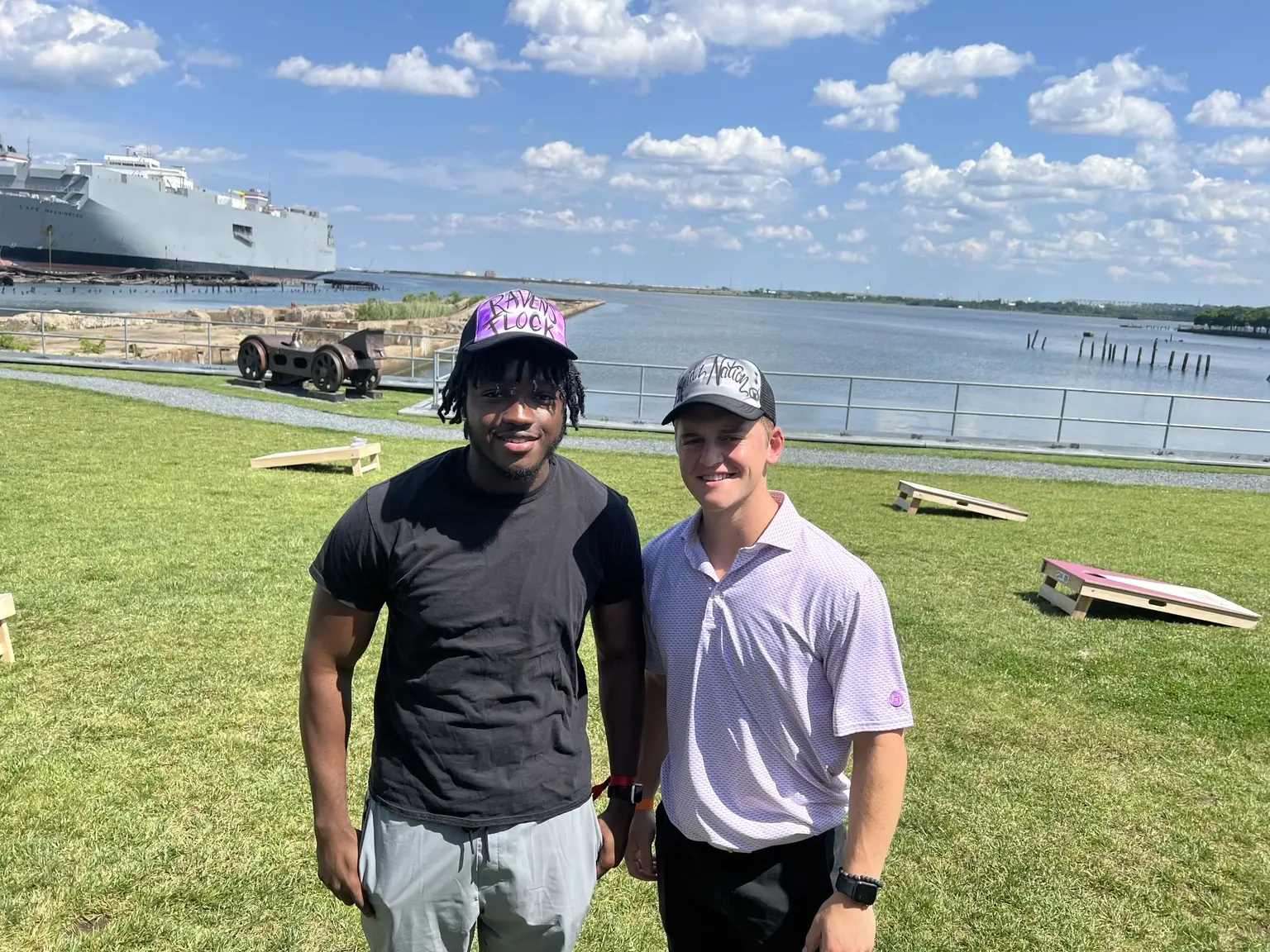
At the Bitwise Atlanta trade show, colorful personalized hats created a recognizable visual connection between the booth and attendees across the show floor. The live process remained the attraction, while a focused product and design plan helped keep orders understandable.
10. Plan pickup and line closing
A separate pickup surface prevents finished work from crowding the painting table. Label each item with the attendee’s name or order number and decide how guests will know it is ready. If pickup will happen later, collect only the contact information the exhibitor has approved and explain the process clearly.
Before the final show hour, estimate how many open orders the team can complete. Mark the final order or close the line when remaining capacity is filled. This avoids accepting more work than can be finished before the hall closes.
For more strategies, read how to keep lines moving at a live airbrush event.
A practical pre-show checklist
| Decision | Confirm before arrival |
|---|---|
| Goal | Traffic, qualified conversations, customer appreciation or reception engagement |
| Capacity | Approved item count, live hours, artist count and peak periods |
| Product | Style, colors, quantities, sizes and backup inventory |
| Branding | Logo file, placement, colors, design menu and final approval |
| Booth | Workstations, queue, ordering point, pickup and storage |
| Show services | Power, labor rules, floor protection, internet if needed and access credentials |
| Logistics | Shipping labels, receiving contact, booth number, load-in and return plan |
| Measurement | Items completed, scans, qualified conversations and attendee feedback |
Frequently asked questions
How many items can a live airbrush artist make during a trade show?
For streamlined event-ready designs, 3JS generally plans approximately 25 completed items per artist per hour. Product type, artwork complexity, guest decisions and booth flow can change the actual rate.
How much booth space does a live airbrush activation need?
Space needs depend on the number of artists, tables, product inventory, compressors, guest ordering and pickup. The plan should fit the contracted booth footprint without blocking aisles, neighboring exhibitors or required access routes.
Can a company logo be added to airbrushed trade show giveaways?
Yes. Approved logos can often be applied before the event, leaving open space for names and artwork added live. Brand files, colors, placement and usage rules should be approved before production.
What power does a live airbrush booth require?
Airbrush compressors require reliable electrical service. The exact load depends on the equipment and artist count, so confirm power requirements with the show decorator or venue before ordering electrical service.
Should lead capture happen before or after personalization?
Either can work, but the process should be separate from painting. Many exhibitors use a quick badge scan or check-in before ordering, then move guests to a separate pickup point so artists can continue producing.
Explore live airbrush activations for corporate events and trade shows, see the Bitwise Atlanta trade-show experience, browse real 3JS event work or send your show dates, city, booth size and expected item count through the quote form.