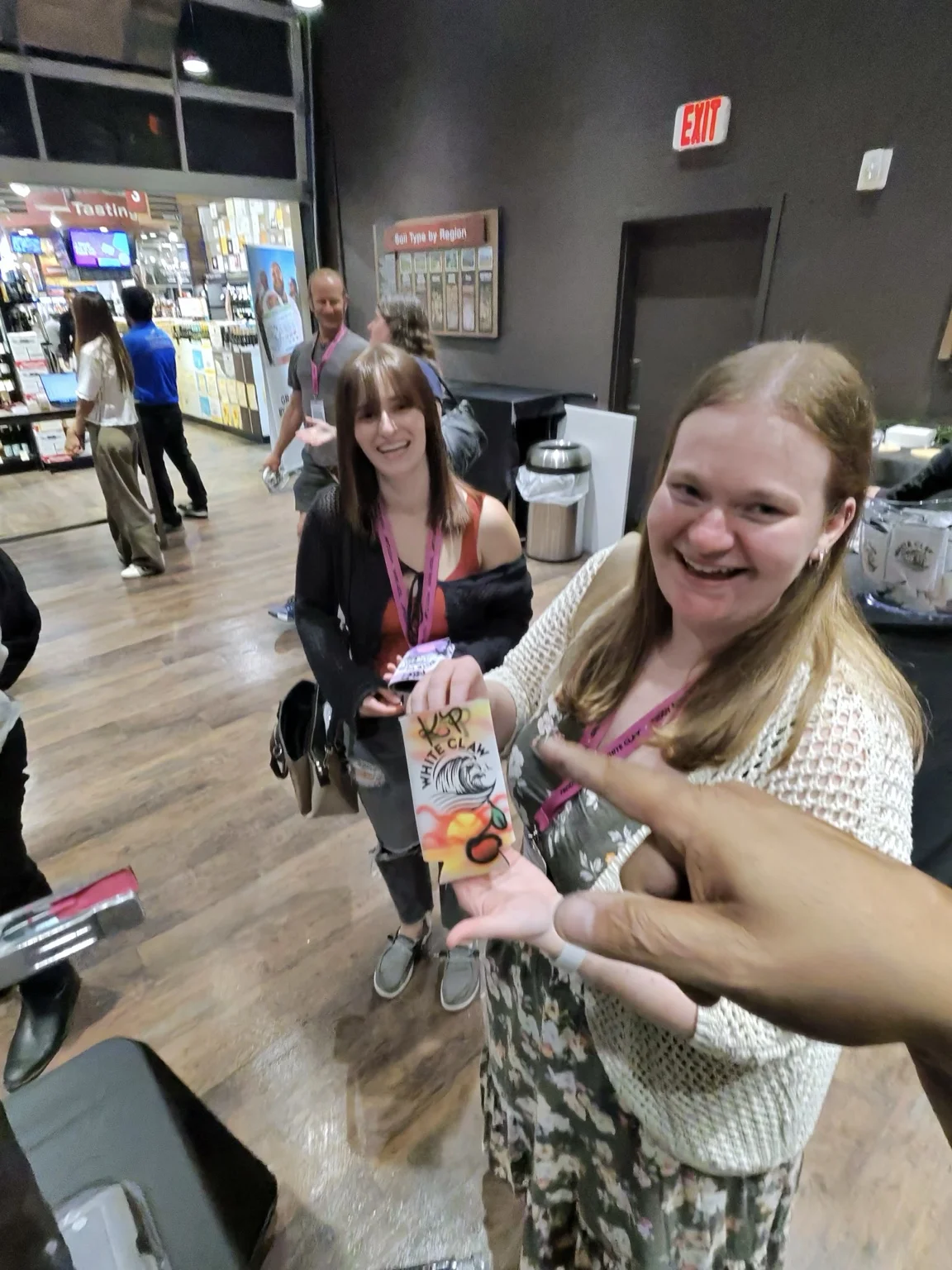
A one-hour product launch, retail appearance, employee pop-up or sponsor experience can support live airbrushing. The format is energetic and focused, but it leaves almost no room for late setup, complicated ordering or untested merchandise.
The key is to plan backward from a clear number of finished items. Attendance may be much larger than the production goal, so the host must decide who can participate and how orders will be limited.
Start with the item goal, not the crowd size
If 300 people may attend but the host wants 100 personalized pieces, build the activation around those 100 orders. Use tickets, wristbands, pre-registration, a sponsor interaction or a clearly advertised first-come policy to control demand.
Do not promote “free customization for everyone” unless the artist hours and inventory truly support it. A visible quantity and final order cutoff help staff explain the experience consistently.
| Planning number | Question to answer | Why it matters |
|---|---|---|
| Attendance | How many people may see the activation? | Guides space and queue planning |
| Item goal | How many finished pieces are promised? | Drives staffing and inventory |
| Productive minutes | How much of the hour can artists actually paint? | Determines realistic capacity |
| Final order time | When will the queue close? | Protects time to finish accepted work |
How many artists are needed for one hour?
Approximately 25 standard items per artist per productive hour is a useful starting estimate for a streamlined design menu on consistent merchandise.
| Illustrative team | Productive time | Starting estimate | Possible use |
|---|---|---|---|
| 1 artist | 60 minutes | About 25 items | Small VIP or executive experience |
| 2 artists | 60 minutes | About 50 items | Focused employee or retail pop-up |
| 3 artists | 60 minutes | About 75 items | Moderate guest activation |
| 4 artists | 60 minutes | About 100 items | High-energy branded event |
These are planning examples, not guarantees. Complicated artwork, mixed merchandise, guest indecision, interruptions and a late start can reduce output. If only 45 minutes remain truly productive, calculate against 45 minutes—not the printed event hour.
For longer scenarios, compare the artist staffing guide and 300-hat event plan.
A real 3JS one-hour activation
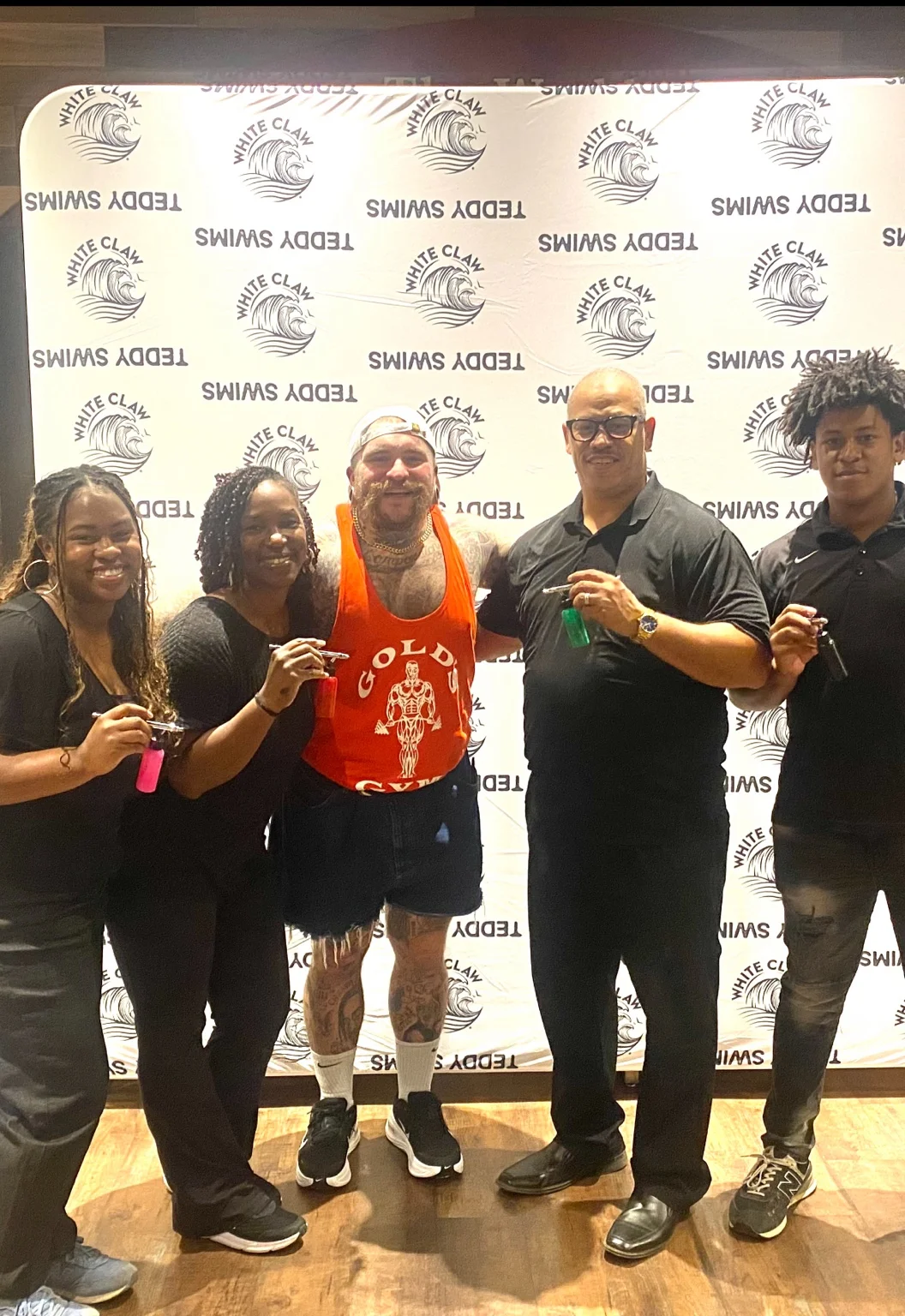
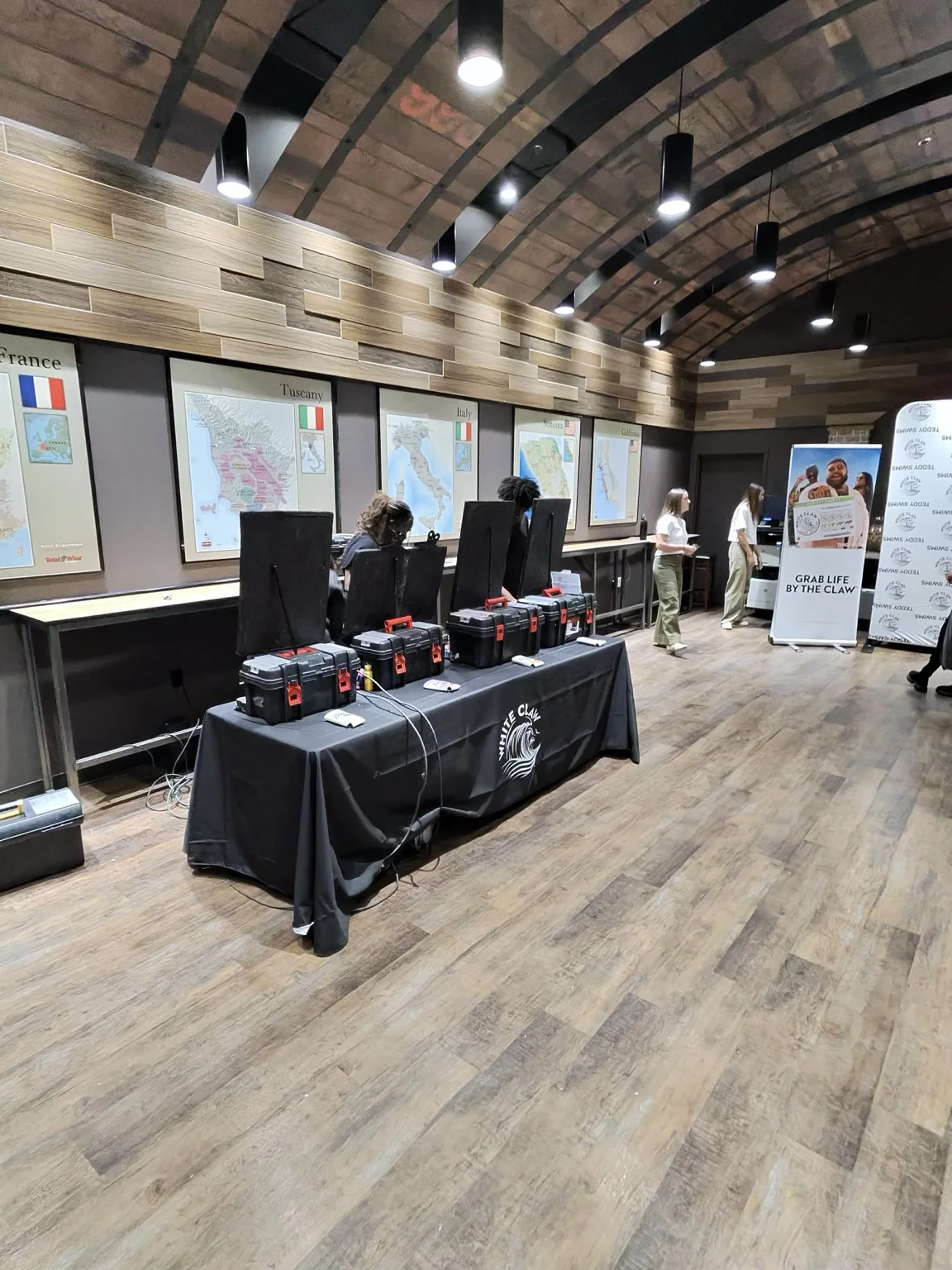
For a White Claw event in McLean, Virginia, 3JS planned four artists for a one-hour guest-facing window and approximately 100 koozies. Merchandise, staffing and the live experience were defined before guests arrived.
The activation also featured Teddy Swims, who joined the experience and tried airbrushing with the 3JS team. That unscripted interaction added energy without changing the need for an organized production system.
Explore the complete White Claw and Teddy Swims event gallery and video. This example shows that a short window can be effective when the artist count and item target match. It does not mean every four-artist event will produce the same result on every product.
Complete setup before the public hour begins
The team should arrive with enough time to park, unload, clear security, protect the work area, position tables, connect approved power, test equipment, count merchandise and review the order process. The exact arrival time depends on the venue.
At a convention center or secured corporate campus, loading credentials and dock schedules may require more lead time than the activation itself. Treat setup as a separate production phase in the contract and venue schedule.
Use the setup requirement checklist and event power guide when coordinating with facilities or the venue.
Use one tested product—or a very small product menu
A one-hour activation is not the best place to experiment with several unrelated surfaces. One tested item gives every artist the same loading method, design area, drying process and pickup instructions.
Hats, koozies, shirts and bags can all work when the exact product is approved. Shirts add size distribution and handling. Mixed products add inventory choices. Guest-supplied items require inspection. Each extra decision uses time that could otherwise go toward painting.
Review the product selection guide and the guest-supplied item policy before choosing the fastest workable format.
Keep the design menu short and visible
Offer enough choice to make the item personal without turning every order into a consultation. Names, selected colors, short phrases and a small group of approved graphics can create variety inside a repeatable process.
Place the menu before the ordering point so guests decide while waiting. Brand and legal teams should approve logos, trademarks, colors and prohibited requests before event day. The design-choice guide explains how to balance personalization and production speed.
Pre-approve the merchandise, design menu, brand rules, station layout and order form. Event-day artist time should be spent painting—not waiting for decisions that could have been made earlier.
Separate ordering, painting and pickup
Even in a small footprint, the guest journey should have three clear steps:
- Order: confirm eligibility, item, design, colors and name spelling.
- Production: route the numbered item to the next available artist.
- Pickup: organize finished items away from the ordering line.
A host representative can answer brand or eligibility questions while 3JS artists remain focused on production. Read how guests order custom items and how to keep lines moving.
Set the final order cutoff before the event
The queue should close early enough for artists to finish every accepted order. If the host waits until the final minute to stop new orders, the activation may run late or leave guests without completed items.
Assign one person to watch remaining inventory, accepted orders and production pace. That person can close the line, release reserve items or communicate a sellout without interrupting the artists.
When a one-hour format is the right choice
A short activation works especially well when the event has a defined peak—an artist appearance, product reveal, employee break, store promotion, sponsor window or reception segment. It can concentrate attention and create strong photos and video.
Choose a longer service window when guests arrive gradually, the design process is detailed, products require sizes, the event expects several hundred items or the host wants relaxed conversations rather than a focused rush.
One-hour activation checklist
- Specific item goal and participation rule
- Artist team sized to productive minutes
- Tested product with confirmed inventory
- Short, brand-approved design menu
- Arrival, loading and setup scheduled before service
- Approved power, tables, chairs and floor protection
- Separate ordering, production and pickup areas
- Order numbers and accurate name spelling
- Visible final order time and sellout message
- Host representative available for brand decisions
- Cleanup and removal scheduled after the guest hour
Explore corporate and brand activations, customizable event products and real 3JS event galleries. Then send the date, city, item goal and exact service window through the event quote form.
Frequently asked questions
Can live airbrushing work for an event that lasts only one hour?
Yes. The team must arrive and complete setup before the public hour begins, use tested merchandise and a streamlined design menu, and size the artist team for the number of items the host wants completed.
How many items can be airbrushed in one hour?
Approximately 25 standard items per artist per productive hour is a useful starting estimate. Four artists may therefore be planned around roughly 100 standard items, but actual capacity depends on the product, design complexity, ordering and uninterrupted productive time.
What products are best for a one-hour airbrush activation?
Consistent, pre-tested items that are quick to load, paint and organize work best. Hats, koozies, shirts or bags may be suitable when the exact product and design process have been approved in advance.
How early should the airbrush team arrive?
Arrival and setup should be scheduled before the guest-facing hour. The exact lead time depends on parking, loading access, security, power, table placement, merchandise counting and venue rules.
When should orders stop during a one-hour event?
Set the final order time early enough for artists to finish every accepted item before service ends. The cutoff depends on the queue, product, team size and remaining productive capacity.